
PSBlackout Begins as PS5 Players Protest Sony’s Plan to End Game Discs
PlayStation players have begun a coordinated protest against Sony’s decision to phase out physical game discs, with participants calling on fellow users to log out of PlayStation services and avoid using their consoles during the week-long #PSBlackout campaign.
The protest began on August 23 and is scheduled to continue through August 30, 2026, according to organizers and recent reports covering the campaign. The action follows Sony’s July announcement that new games released for PlayStation consoles will no longer be produced on physical discs beginning in January 2028.
Why Are PlayStation Players Protesting?
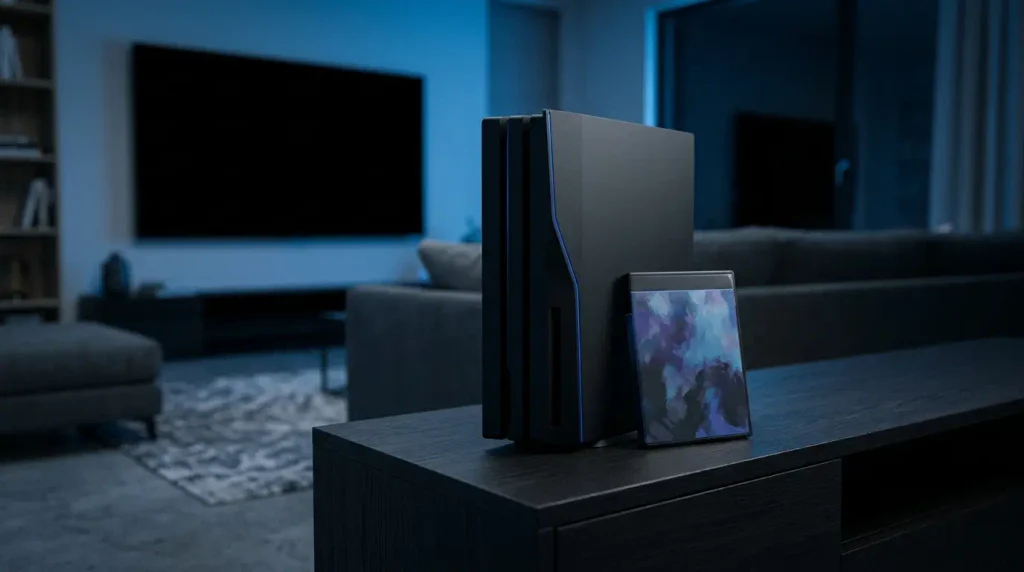
Sony confirmed on July 1 that physical disc production for new PlayStation games will end from January 2028. New releases after that date will instead be sold in digital formats through the PlayStation Store and retailers.
The company said the change reflects the growing preference for digital media and does not affect games already released—or games that launch in disc format before January 2028.
But the announcement triggered a strong reaction among collectors, preservation advocates and players who prefer to own physical copies of games.
Their concerns go beyond nostalgia.
Critics argue that an all-digital future could give consumers less control over the games they buy, while also making second-hand sales, borrowing and long-term preservation more difficult.
What Is the #PSBlackout Protest?
The #PSBlackout campaign is a coordinated consumer protest calling on PlayStation users to disengage from Sony’s ecosystem temporarily.
Participants have been encouraged to:
- Turn off or avoid using PlayStation consoles
- Log out of PlayStation Network services
- Avoid buying PlayStation games, subscriptions and hardware during the protest period
- Share support for physical game preservation online
The campaign is intended to demonstrate that opposition to Sony’s disc phase-out extends beyond social-media comments.
Whether a week-long boycott will have any measurable effect on Sony’s business remains unclear. The scale of participation is also difficult to verify independently.
Sony Has Acknowledged the Backlash
Sony is aware that many players strongly oppose the decision.
During a July earnings call, Sony CFO Lin Tao said the company understood that people have strong emotional attachments to games and acknowledged the reaction to the disc announcement. However, Sony said it had carefully considered the transition and intended to move forward cautiously.
Sony has also indicated that it does not currently expect the decision to have a significant negative effect on its business.
That position may explain why protest organizers are attempting to turn online criticism into a coordinated action.
The Bigger Debate Is About Ownership
The fight over PlayStation discs has become part of a much broader debate about what consumers actually own in the digital age.
A physical disc can be collected, resold or preserved independently of a digital storefront. Digital purchases, by contrast, are generally tied to accounts, licenses and online services.
Former PlayStation president Shuhei Yoshida recently argued that physical games increasingly depend on downloads, patches and online services anyway. Preservation advocates have pushed back, arguing that physical media still provides important advantages for ownership and offline access.
That disagreement sits at the center of the current controversy.
For Sony, the future is increasingly digital. For many PlayStation players, the question is whether convenience is being gained at the cost of ownership and preservation.
Read More Pokémon GO Down? Thousands Hit by Network Error 2 as Outage Disrupts Login
Will Sony Change Its Decision?
There is currently no indication that Sony plans to reverse the January 2028 cutoff.
Sony’s official announcement remains in place, and the company has since said it intends to continue with the transition despite the backlash.
For now, #PSBlackout represents the latest attempt by players to pressure Sony before the company reaches its digital-only deadline.
The real test will be whether the protest grows beyond its first week—and whether Sony sees enough consumer resistance to reconsider how physical games fit into PlayStation’s future.