

CIA Scandal 2026: Officer Accused of Fake Spy Program and $40M Gold Hoard
Introduction
In June 2026, the CIA gold bars scandal shocked the intelligence community when a senior CIA officer, David J. Rush, allegedly orchestrated one of the most audacious frauds in agency history. Prosecutors claim Rush fabricated a covert “black box” spy program, siphoned millions of taxpayer dollars, and converted much of it into gold bars worth over $40 million hidden in his home.
This scandal is more than a tale of greed—it exposes systemic weaknesses in intelligence oversight and raises urgent questions about accountability in America’s most secretive institutions.
The Man Behind the Scheme
David J. Rush was no ordinary employee. With years of service inside the CIA, he had access to classified budgets, sensitive contracts, and the trust of colleagues. That trust became the foundation of his alleged scheme.
By presenting himself as the architect of a high‑level covert project, Rush convinced superiors that his “black box” program was vital to national security. Few dared to question him—after all, secrecy is the lifeblood of intelligence work.
Anatomy of the Fraud
The alleged scheme unfolded in several stages:
- Creation of a phantom program: Rush invented a covert initiative, cloaked in secrecy, and labeled it a “black box” project.
- Manipulation of contracts: He directed funds through fake vendors and inflated invoices, ensuring money flowed into accounts he controlled.
- Conversion into assets: Instead of financing intelligence operations, Rush allegedly purchased gold bars and other valuables, stockpiling them in his residence.
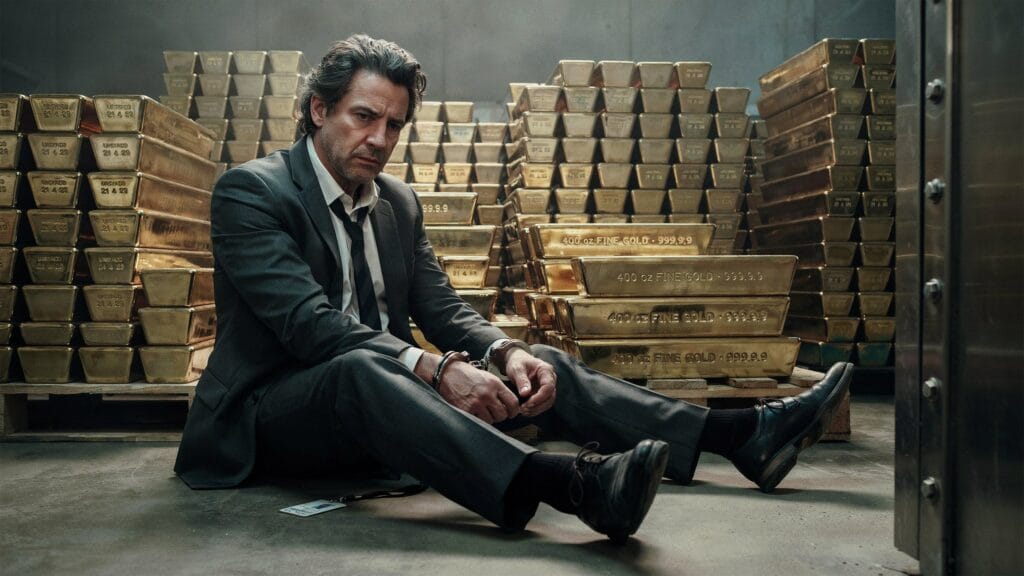
When investigators finally uncovered the fraud, the sheer scale stunned even seasoned prosecutors. The discovery of $40 million in gold bars became the scandal’s defining image.
Oversight Failures in the CIA Gold Bars Scandal
The scandal highlights deep flaws in intelligence oversight:
- Weak auditing: Intelligence budgets often escape traditional scrutiny due to national security exemptions.
- Culture of trust: Senior officers are rarely challenged, creating opportunities for abuse.
- Delayed detection: The fraud persisted for years before investigators pieced together the truth.
Experts argue that the CIA’s reliance on secrecy, while necessary for operations, can also shield corruption when oversight mechanisms are weak.
National Security Implications
The consequences of such fraud extend far beyond financial loss:
- Resource diversion: Funds meant for genuine intelligence operations were wasted.
- Operational risk: Fake programs undermine the credibility of legitimate covert projects.
- Public trust erosion: Scandals like this damage confidence in institutions designed to protect national security.
Analysts warn that unchecked corruption within intelligence agencies can weaken America’s ability to respond to global threats.

Humanizing the Story
At its core, this scandal is about human temptation and institutional fragility. Rush’s alleged actions reveal how secrecy, intended to safeguard national interests, can be twisted into a shield for personal gain.
The image of a CIA officer hoarding gold bars is more than sensational—it symbolizes the dangers of unchecked power and the fragility of trust in institutions.
The Fallout
As news of the scandal spread, lawmakers demanded answers:
- Congressional inquiries: Committees are now examining how such a scheme could persist undetected.
- Calls for reform: Proposals include stronger auditing, independent oversight, and enhanced whistleblower protections.
- Agency reputation: The CIA faces renewed scrutiny at a time when it is already under pressure to address cyber threats, foreign interference, and global instability.
The scandal has become a rallying point for advocates of greater transparency in intelligence operations.
Lessons for the Future
This case underscores several critical lessons:
- Secrecy must be balanced with accountability.
- Whistleblowers need protection to expose fraud without fear of retaliation.
- Independent oversight is essential to prevent abuse of power.
Without reform, experts warn, similar scandals could emerge, further eroding trust in intelligence institutions.
FAQs
Q: Who is David J. Rush?
A: A senior CIA officer accused of creating a fake spy program and hoarding $40M in gold bars.
Q: What is a “black box” program?
A: A highly classified project with limited oversight, often shielded from scrutiny due to national security concerns.
Q: Why is this scandal significant?
A: It exposes vulnerabilities in intelligence oversight and raises questions about accountability in covert operations.
Q: What reforms are being proposed?
A: Stronger auditing, independent oversight, and enhanced whistleblower protections.
For feedback about this article, kindly visit the Contact Us page.