
Telegram Ban in India: Why VPN Usage Suddenly Soared
The digital landscape in India has once again become the center of global attention. Reports of restrictions affecting Telegram access have sparked widespread discussions among internet users, privacy advocates, technology experts, and policymakers. One of the most noticeable consequences has been a sharp increase in VPN adoption as users look for alternative ways to access online services.
The situation highlights a larger conversation that extends beyond a single messaging platform. It raises questions about digital rights, internet governance, cybersecurity, online privacy, and the growing role of virtual private networks in modern internet usage.
Having followed internet privacy trends, cybersecurity developments, and digital freedom debates for years, I’ve observed a recurring pattern. Whenever access to a popular online platform becomes restricted, VPN usage rises dramatically. The recent developments involving Telegram in India are another example of this phenomenon.
In this article, we’ll examine why discussions around a Telegram ban in India have generated so much interest, why VPN usage has surged, what it means for users, and how these events fit into the broader global debate about online freedom and digital security.
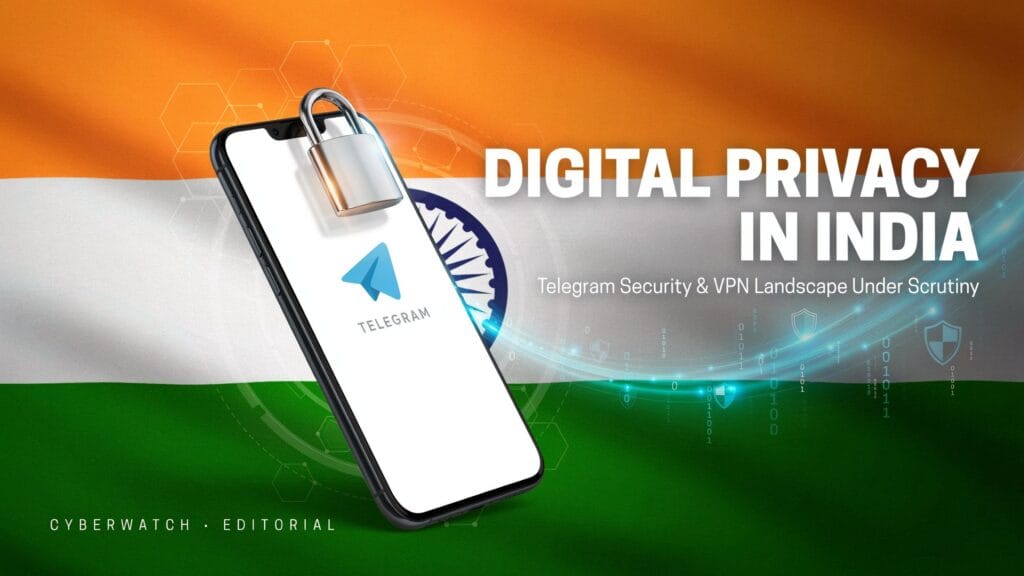
Understanding the Telegram Situation in India
Telegram has become one of the world’s most popular messaging applications. Known for its large group capabilities, privacy-focused features, cloud-based architecture, and fast performance, the platform serves millions of users globally.
In India, Telegram enjoys a particularly strong user base. Students, professionals, businesses, educators, content creators, and technology enthusiasts frequently rely on the platform for communication and information sharing.
Recent concerns emerged when authorities intensified scrutiny around Telegram-related activities connected to examination fraud allegations. This led to discussions about platform restrictions and increased monitoring of digital communication channels.
As news spread across social media and technology communities, many users began searching for ways to maintain access to the platform. This behavior immediately translated into growing interest in VPN services.
What makes this story significant is not merely the platform itself. Rather, it demonstrates how quickly internet users adapt when they perceive potential restrictions on their access to online services.
Why VPN Usage Increased So Rapidly
Whenever a popular online platform faces restrictions, internet users often turn to VPNs as one of the first solutions.
A Virtual Private Network, commonly known as a VPN, creates an encrypted connection between a user’s device and the internet. This process can help users improve privacy, protect sensitive data, and in some situations access services that may be restricted in a specific region.
The recent surge in VPN interest reflects several factors:
Fear of Losing Access
Many users depend on Telegram for daily communication. Even rumors of restrictions can motivate people to seek alternatives before access becomes disrupted.
Increased Privacy Awareness
Events involving government scrutiny often encourage users to learn more about digital privacy tools.
Growing Cybersecurity Education
Compared to a decade ago, internet users are far more aware of VPN technology and its benefits.
Remote Work and Global Connectivity
Professionals increasingly use VPNs not only for privacy but also for secure remote access to business resources.
This combination creates the perfect conditions for a sudden spike in VPN adoption whenever a platform becomes the subject of regulatory attention.
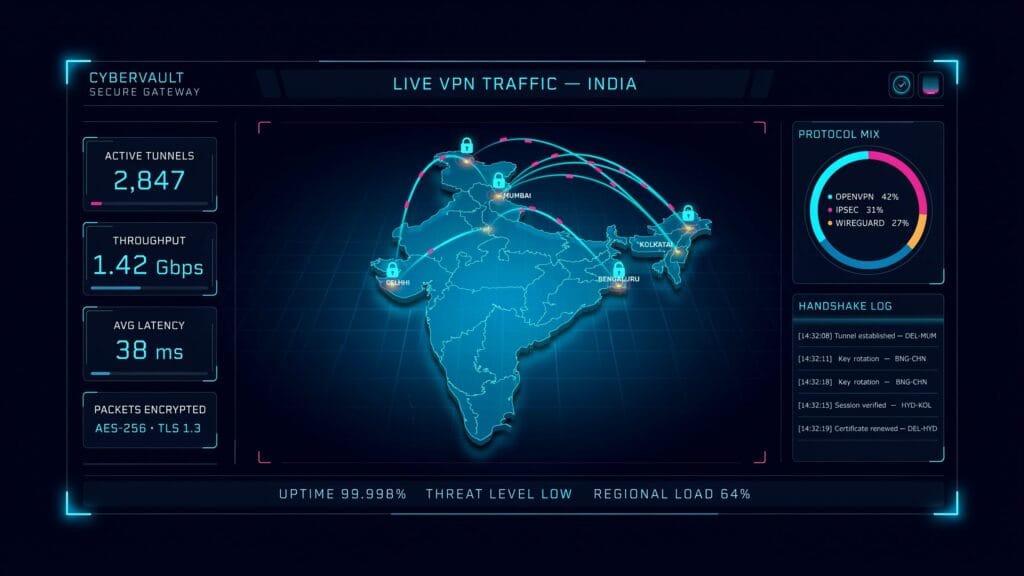
How VPNs Work and Why They Matter
To understand the recent surge, it’s important to understand the role VPNs play in today’s internet ecosystem.
A VPN essentially acts as a secure tunnel for internet traffic. Instead of connecting directly to a website or online service, users route their traffic through an encrypted server operated by the VPN provider.
This process offers several advantages:
| Benefit | Description |
|---|---|
| Privacy | Helps reduce tracking by third parties |
| Security | Encrypts internet traffic |
| Public Wi-Fi Protection | Improves safety on unsecured networks |
| Data Protection | Protects sensitive information |
| Location Flexibility | Allows connection through different server regions |
From a cybersecurity perspective, VPNs have evolved from niche tools used primarily by IT professionals into mainstream privacy solutions adopted by everyday internet users.
The Telegram-related developments in India simply accelerated an existing trend toward greater VPN awareness.
The Relationship Between Internet Restrictions and VPN Adoption
History shows a clear relationship between online restrictions and VPN growth.
Whenever governments, institutions, or organizations introduce measures affecting digital platforms, VPN providers often report increased downloads and subscriptions.
This pattern has been observed in multiple countries over the years.
The reason is straightforward.
Internet users increasingly view online access as essential to communication, education, work, entertainment, and business operations. When access appears threatened, they seek technological solutions.
This does not necessarily mean users are engaging in harmful activities. In many cases, they simply want uninterrupted access to services they use every day.
The current situation demonstrates how digital behavior changes almost instantly in response to policy developments.
Privacy Concerns Behind the VPN Surge
Beyond access issues, privacy concerns are another major driver behind VPN adoption.
Today’s internet generates enormous amounts of personal data. Every search, message, website visit, and online interaction contributes to a growing digital footprint.
As public awareness of data collection increases, users are becoming more proactive about protecting their information.
Some key concerns include:
- Data tracking
- Online profiling
- Cybersecurity threats
- Identity theft
- Data breaches
- Unauthorized surveillance
VPNs are often viewed as one layer within a broader privacy strategy that may also include password managers, encrypted messaging apps, and multi-factor authentication.
The discussions surrounding Telegram have therefore contributed to a larger public conversation about online privacy in India.
The Impact on Businesses and Professionals
The effects of internet restrictions extend beyond individual users.
Businesses increasingly rely on messaging platforms for communication, customer support, marketing, and team collaboration.
Many startups and digital companies use Telegram channels to engage audiences, distribute updates, and build communities.
When uncertainty emerges around access to such platforms, organizations often review their communication strategies.
Professionals may need alternative tools.
Businesses may need contingency plans.
Marketing teams may need to diversify their channels.
This highlights a broader lesson about digital resilience. Companies should avoid relying exclusively on a single communication platform.
Diversification remains one of the most effective risk management strategies in the digital age.
What This Means for Digital Freedom
The conversation surrounding a Telegram ban in India extends beyond one application.
At its core, it reflects ongoing debates about balancing:
- National security
- Public safety
- Educational integrity
- Cybersecurity
- Digital rights
- Freedom of communication
Governments worldwide face increasing challenges as online platforms become central to daily life.
Regulators seek to address misuse while preserving legitimate uses.
Technology companies seek to protect user privacy while complying with legal obligations.
Users seek security, convenience, and freedom of communication.
Finding the right balance remains one of the most complex policy challenges of the digital era.
The Future of VPN Usage in India
The long-term outlook suggests continued growth in VPN adoption.
Several factors support this trend:
Rising Privacy Awareness
More users are becoming educated about cybersecurity and digital protection.
Increased Remote Work
Hybrid work models continue to drive demand for secure connections.
Growing Cybersecurity Threats
Cybercrime remains a significant concern for individuals and organizations.
Digital Transformation
As more services move online, users become increasingly protective of their data.
The Telegram situation may eventually fade from headlines, but the broader trend toward privacy-focused internet usage is likely to continue.
VPNs are becoming a standard component of modern digital life rather than a specialized tool used by a small group of experts.
Lessons for Internet Users
The recent developments offer several important lessons.
First, internet users should stay informed about changes affecting the platforms they rely on.
Second, cybersecurity education is increasingly valuable.
Third, users should understand the privacy tools available to them and make informed decisions based on their needs.
Finally, digital resilience matters.
Whether it’s messaging apps, cloud services, or social media platforms, relying on multiple communication channels can reduce disruption during unexpected events.
Conclusion
The discussions surrounding the Telegram ban in India have highlighted the growing connection between internet access, digital privacy, and cybersecurity.
As concerns about platform restrictions spread, VPN adoption increased rapidly, demonstrating how users respond when access to important online services appears uncertain.
While the immediate attention focuses on Telegram, the larger story is about the evolving relationship between technology, regulation, privacy, and digital freedom.
For users, businesses, and policymakers alike, these developments serve as a reminder that the internet is no longer simply a tool for communication. It has become a critical part of modern life, and decisions affecting digital access can have far-reaching consequences.
The growing interest in VPNs reflects a broader trend: people want greater control over their online experience, their privacy, and their ability to connect in an increasingly digital world.
Frequently Asked Questions (FAQs)
1. Why are people searching for information about a Telegram ban in India?
Many users are concerned about reports of restrictions, investigations, and increased scrutiny involving Telegram-related activities, leading to increased public interest.
2. Why did VPN usage increase after the Telegram controversy?
Users often turn to VPN services when they fear losing access to online platforms or want greater privacy while using the internet.
3. What is a VPN?
A VPN (Virtual Private Network) encrypts internet traffic and helps improve privacy, security, and protection when browsing online.
4. Are VPNs legal in India?
VPN legality depends on local regulations and how the service is used. Users should always follow applicable laws and regulations.
5. Why are VPNs becoming more popular?
Growing concerns about privacy, cybersecurity threats, data protection, and secure remote work have contributed to increased VPN adoption worldwide.
Have a Tech Story or Expert Insight to Share?
At NetQuill, we welcome original contributions from technology professionals, AI enthusiasts, cybersecurity experts, and passionate writers. If you’d like your work featured on our platform, visit our Write for Us page to learn about our submission guidelines and publishing opportunities.